
Imagine a factory floor where machines struggle to communicate or react to commands—frustrating, isn’t it? In today’s fast-paced industrial environment, an effective io controller is crucial for seamless operations. As technology progresses, the demand for enhanced connectivity grows, and that’s where the importance of a digital io controller comes into play.
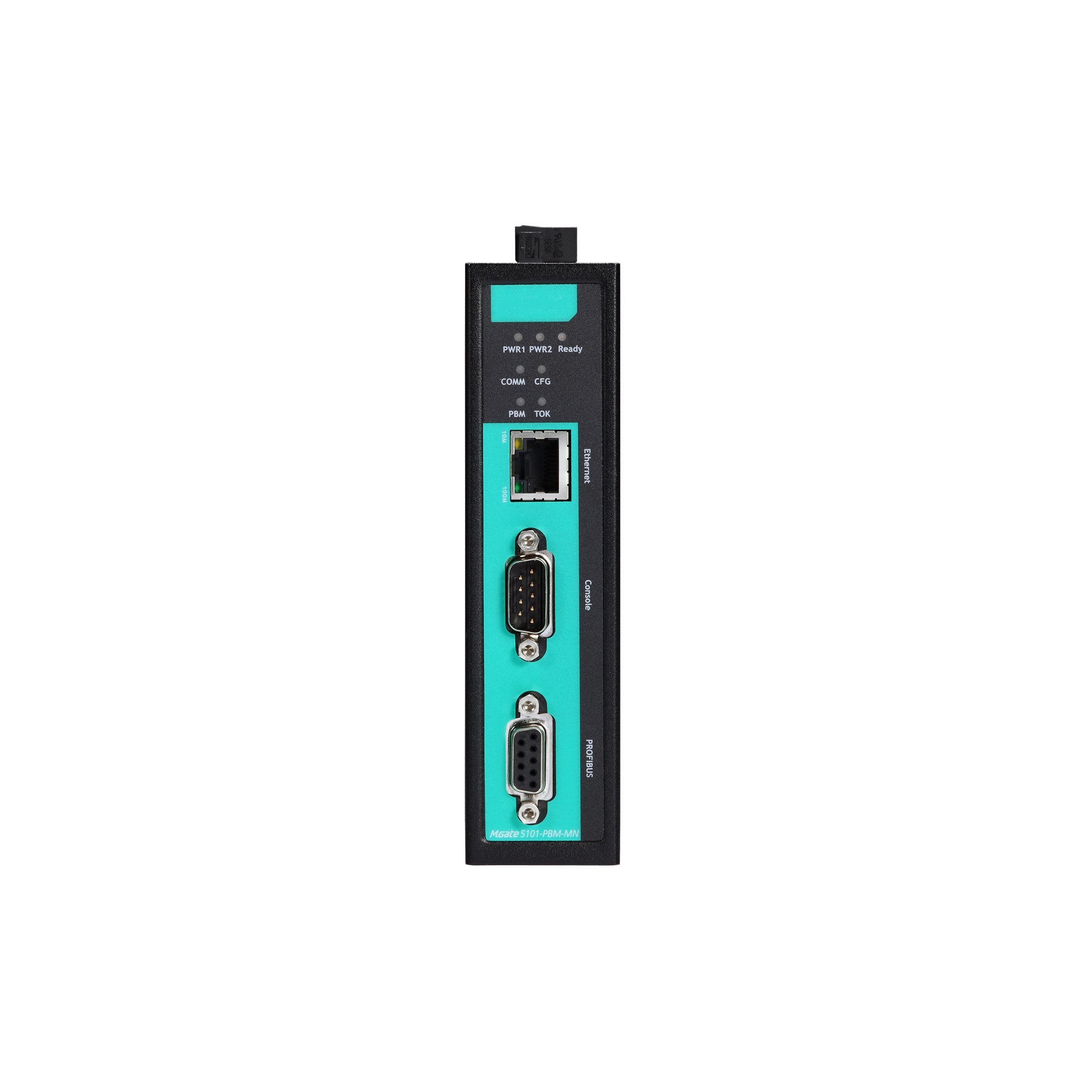
The Challenges of Traditional Solutions
Traditional solutions often fall short—be it outdated hardware, high installation costs, or deficiencies in real-time processing. Many industries face these challenges daily, which can lead to inefficiencies that not only slow down operations but also increase overall costs. Why do failures always occur during critical operations? The absence of reliable control systems often leaves machines and processes disconnected.
New Principles of Technology
Technology is evolving rapidly, and current principles emphasize integration and flexibility. The digital io controller acts as a bridge, linking various components and ensuring they communicate efficiently. It supports edge computing, enabling quick data processing right where the action happens. Look, it’s simpler than you think; just imagine fewer delays and enhanced responsiveness in your industrial setup.
Quantified User Benefits
Utilizing a digital io controller can provide significant benefits such as reduced downtime, improved productivity, and cost-effective automation solutions. Users have reported up to a 30% improvement in operational efficiency after switching to modern control systems. With trends leaning towards smart manufacturing, embracing this technology isn’t just recommended—it’s necessary!
Conclusion: Evaluating Your Options
When selecting the appropriate io controller, always verify these 3 metrics: ① connectivity options ② processing speed ③ compatibility with existing systems. Keeping these in mind will ensure you make informed decisions that benefit your operations.
Exploring the Digital IO Controller
In the world of automation, a digital io controller stands out as an essential component. Beyond just controlling devices, this technology offers remarkable versatility and adaptability. Businesses utilizing digital IO controllers often see an improvement in monitoring their systems remotely, allowing real-time adjustments that were previously unfeasible. This level of control can significantly enhance operational intelligence. If you haven’t yet adopted this technology, now might just be the perfect time to consider its implementation.
Understanding the Industrial IO Controller
When discussing automation in robust environments, the industrial io controller comes into focus. It is designed to withstand harsh conditions, ensuring stability and reliability in production processes. Industries ranging from manufacturing to energy distribution rely on such controllers for efficient workflow management. This ensures that machinery operates flawlessly, with data integrity upheld throughout the process. The robustness of an industrial IO controller often translates to lower maintenance costs over time, making it a worthwhile investment.
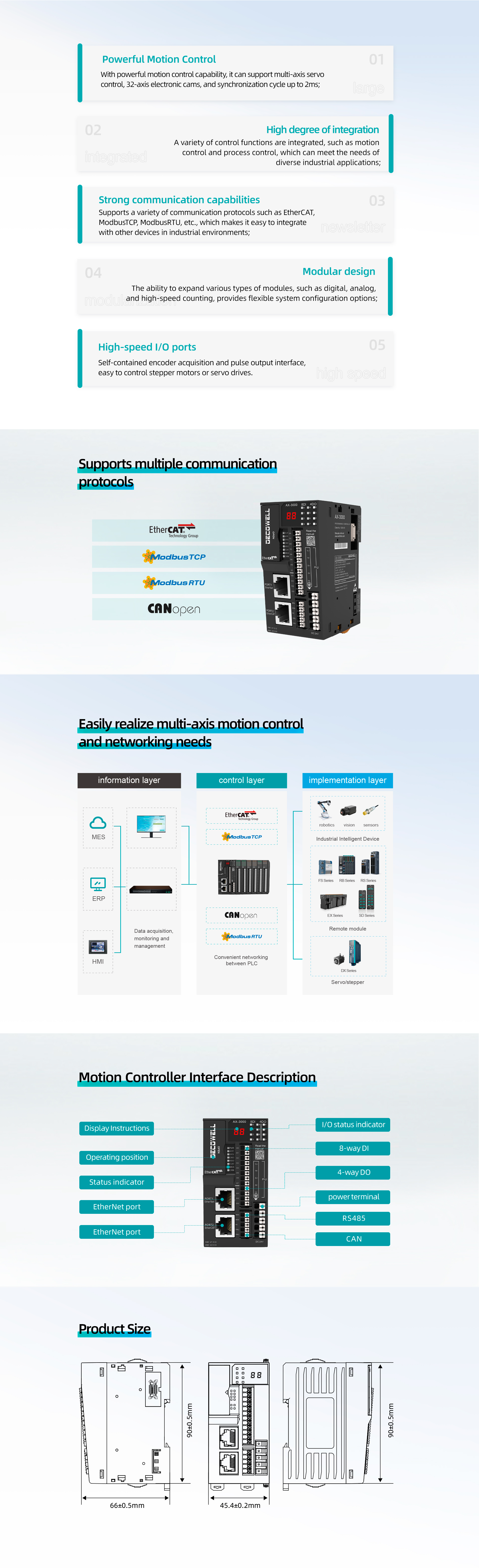
In summary, the advancements brought about by the digital and industrial io controllers are making waves in various industries. For companies looking to bolster their operational efficiency and connectivity, embracing these technologies is essential. Always evaluate your needs carefully, and don’t overlook the importance of selecting the right supplier. One such manufacturer with notable advantages in supply and quality is DECOWELL. They provide exemplary products that meet the demands of modern automation effectively.